
Based on an article by Peter Blunschi
Electricity from geothermal energy: Is a revival on the cards despite earthquakes?
Historical background and scepticism
Deep geothermal energy for electricity generation (drilling to a depth of around 4,000 metres) suffered serious setbacks in Switzerland after projects in Basel (2006) and St Gallen (2013) triggered earthquakes. Whilst Switzerland is a European leader in near-surface geothermal energy for heating (ground-source heat pumps up to 500 metres), deep geothermal energy remains highly controversial amongst the public due to safety concerns and fears of seismic activity.
A new attempt in the canton of Jura
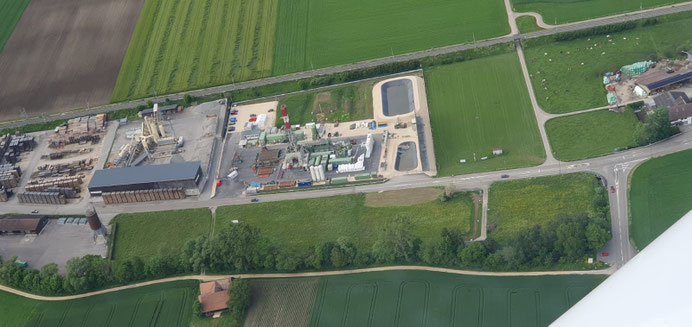
Despite past events, the federal government remains committed to the technology as part of its Energy Strategy 2050. A current deep geothermal project in Haute-Sorne (JU) is currently offering new hope to the industry. The recently completed exploration phase was successful. Those in charge of the project emphasise that lessons have been learnt from the mistakes made in Basel and that they are now proceeding with much greater caution. The aim is to commission a power station by the end of 2029 that will supply both electricity and district heating.
Controversial debate over its merits and costs
However, the project has met with a mixed reception:
- Critics: Energy experts point out that deep geothermal energy is extremely expensive compared to solar power (by a factor of around 10) and has low efficiency. They also argue that, thanks to the expansion of wind energy and modern battery storage systems, such baseload energy is no longer absolutely essential in winter.
- Supporters: Representatives of the energy sector and the Swiss Federal Office of Energy (SFOE) counter that the expansion of wind power in Switzerland is stalled and that the potential of geothermal energy must not be left untapped. They point to the USA, where geothermal energy is currently experiencing a boom and reaching market maturity thanks to massive investment (including to meet the electricity needs of AI data centres).
Potential for Switzerland
The realistic potential of geothermal energy in Switzerland is estimated at around 250 megawatts by 2040, which corresponds to roughly a quarter of the output of a nuclear power station. This could generate around eight terawatt-hours of electricity annually. A key environmental advantage of the technology remains that it occupies very little surface area in relation to the amount of energy generated.
Link to the original article (only in German)