
All news · 10. February 2025
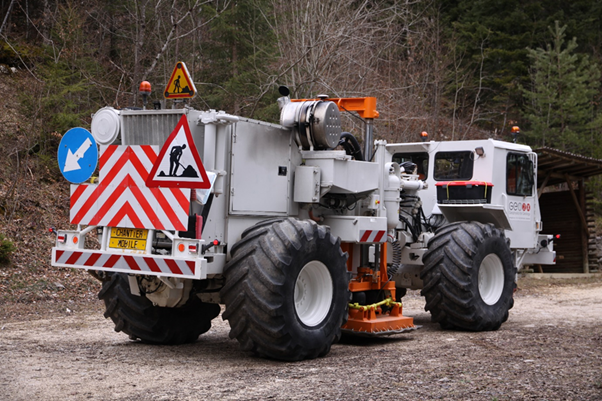
A new phase of subsurface exploration to collect geophysical data took place recently. Unlike the surveys carried out in the summer of 2023 and spring of 2024, which were aimed at collecting 2D data, three-dimensional data was collected in January 2025.
The geophysical surveys using 3D reflection seismics have recently been completed.
Two Vibroseis vehicles were in operation for eight days across a 30 km² area around the drilling site (in and around the villages of Bassecourt, Glovelier and Boéc
All news · 13. January 2025
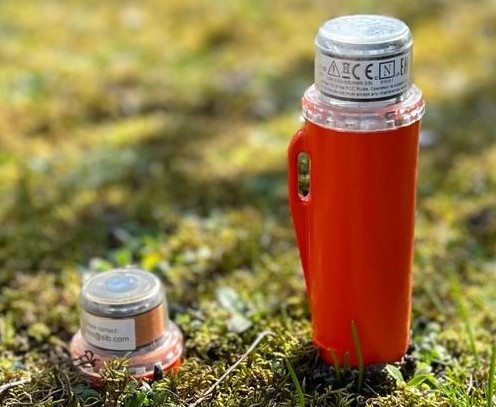
In order to further refine the initial results obtained during previous geophysical survey campaigns (2023–24), two vibrating trucks will shortly be travelling across a 30 km² area around the borehole.
3D reflection seismic is a non-invasive method that works on a principle similar to that of medical ultrasound: the truck generates vibrations, and the subsurface reflects these waves in different ways depending on the nature and structure of the rock. Geophones positioned at regular intervals

All media releases · 28. August 2024
A depth of 4,000 metres was reached in less than three months. This is the first borehole in the Swiss Jura Arc between Geneva and Basel to have been drilled entirely through the sediments and deep into the crystalline bedrock. Thanks to the scientific and technical expertise applied both before and during the construction work, the borehole was drilled, cased and cemented to a high standard without any impact on safety or environmental quality. The work yielded the data required for the next ph
All news · 22. June 2024
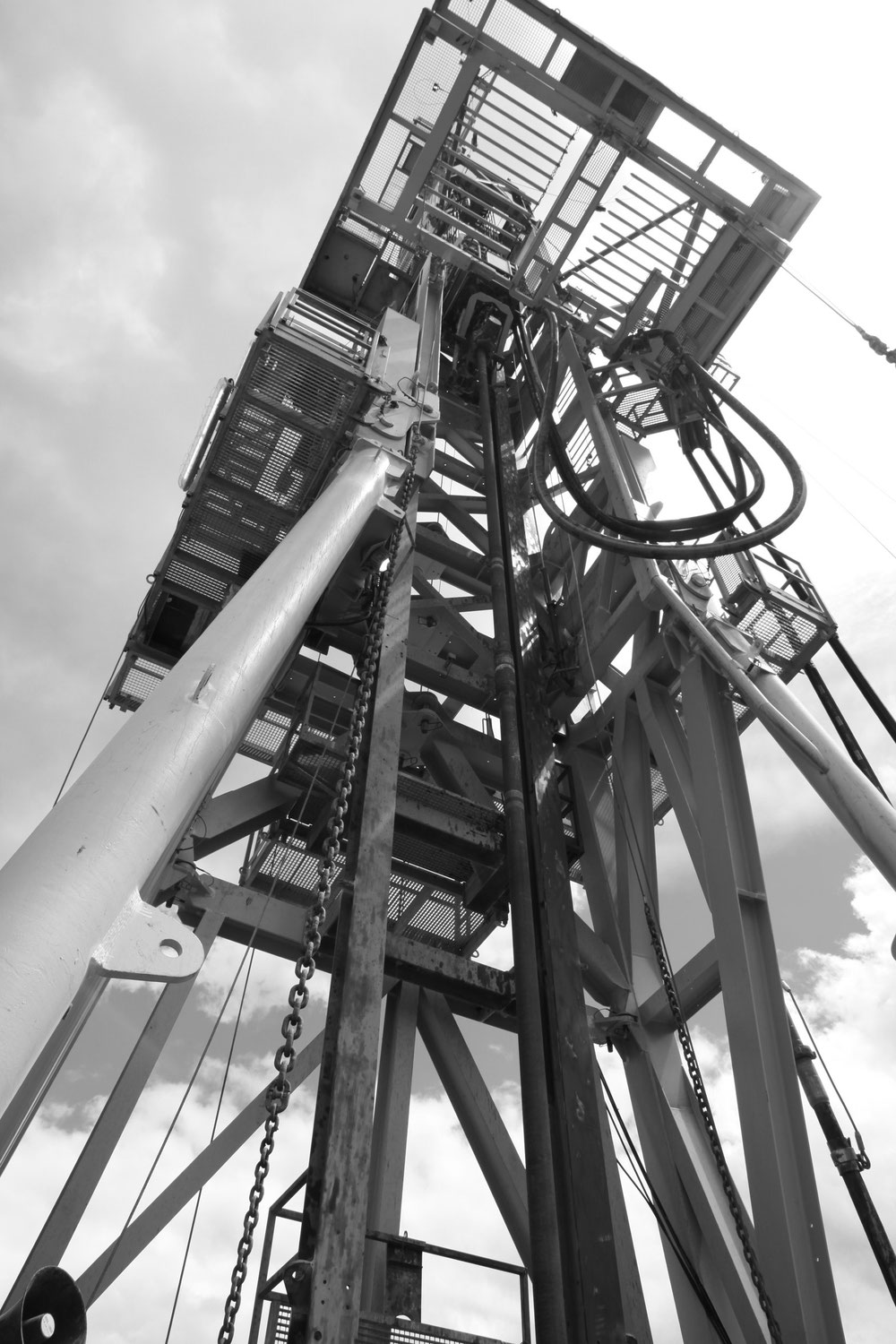
The casing and cementing of the second section of the borehole were successfully completed during the week of 17 June. Preparations are underway for drilling to commence on the third section on the afternoon of 23 June.
The third and final section will be drilled entirely through crystalline bedrock, with a diameter of 30 cm, down to a final depth of 4,000 metres. According to current plans, the work is expected to last until around the end of August.
The information pavilion was inaugurate
All news · 17. June 2024
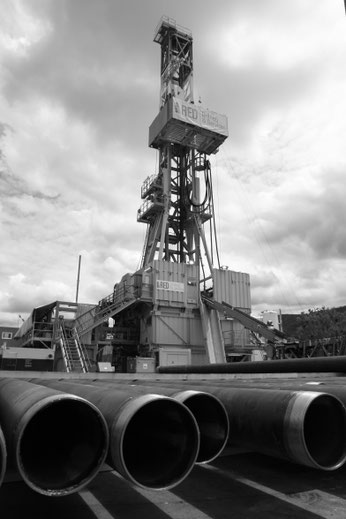
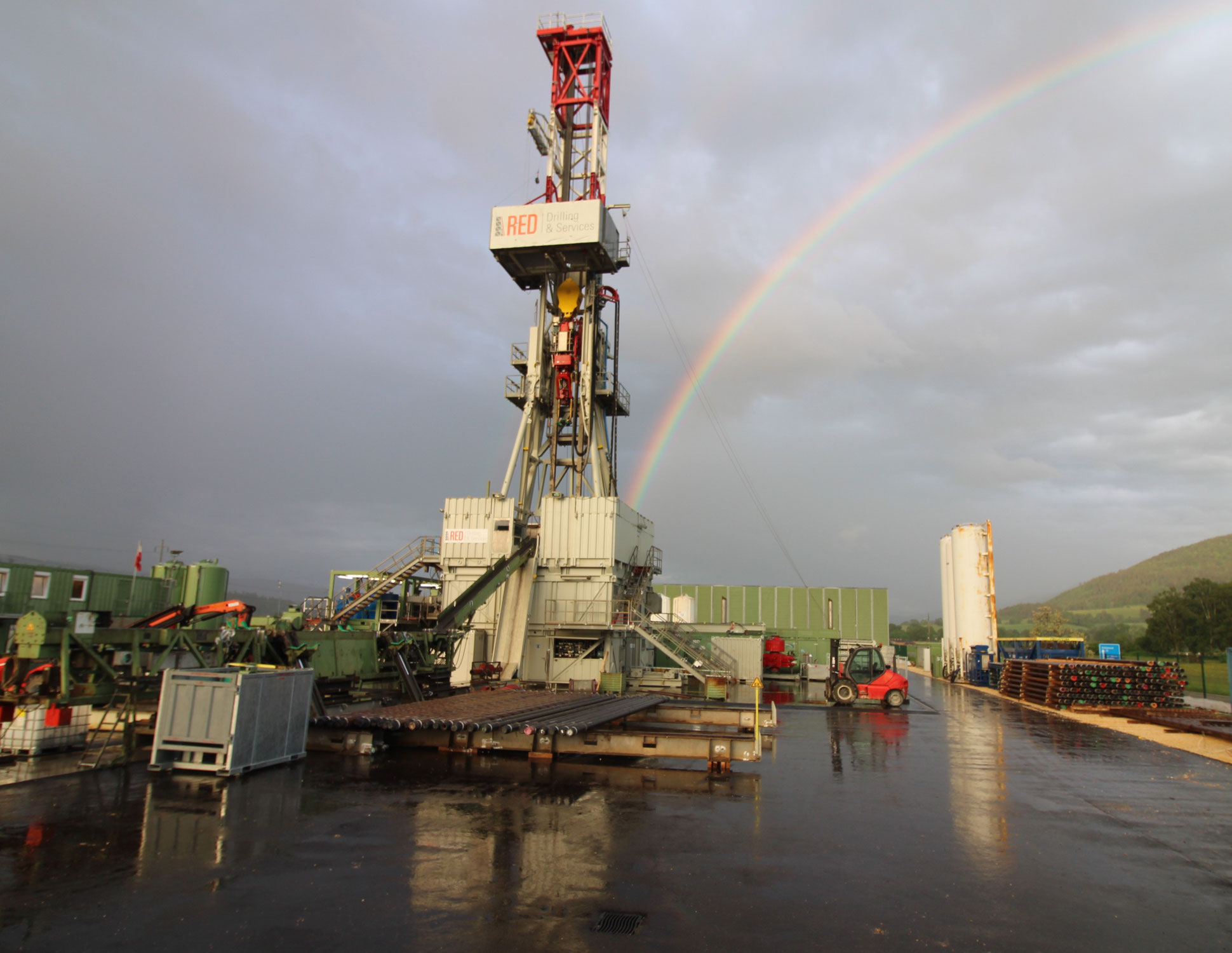
On Friday 14 June 2024, the exploratory drilling for the Haute-Sorne geothermal project reached the crystalline basement at a depth of 1,790 metres. This significant milestone marks the end of the second section of the drilling. Logging operations were carried out in the well over the weekend. Casing will then be installed and cemented up to the surface. This work will continue until the end of the week. Drilling work on the third and final section is expected to resume on Monday 24 June. The...
All news · 10. June 2024
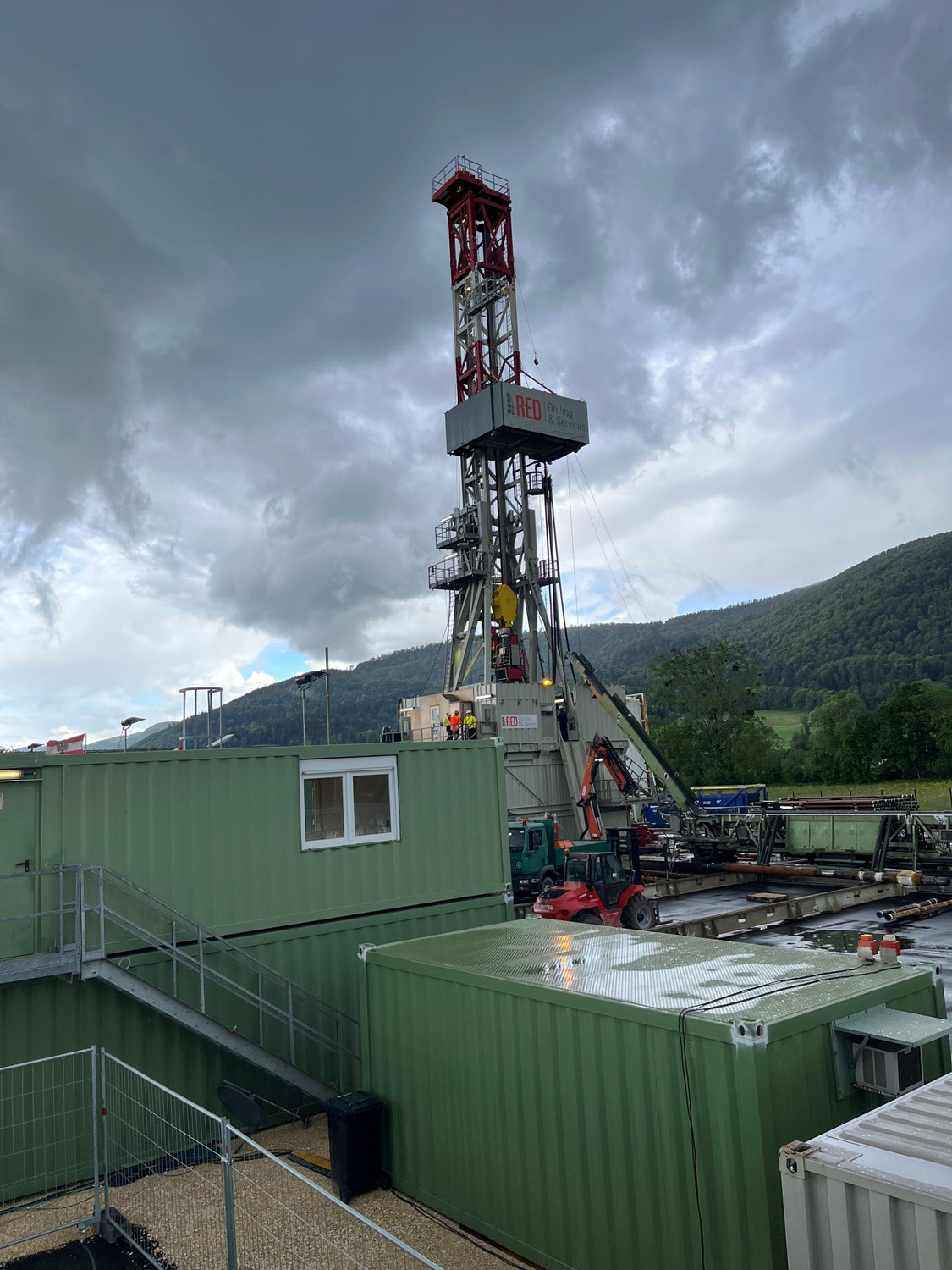
Exploratory drilling for the Haute-Sorne geothermal project began on 21 May.
The end of the first section was reached at a depth of 500 metres on 27 May. The work proceeded according to plan and no problems were encountered during the drilling of this section, with no loss of drilling mud or water ingress.
It took a week to carry out the measurements (logs), casing and cementing of this section in order to isolate it from the surrounding rock and the next section. The seal was verified by means
All media releases · 21. May 2024
Project Milestone & Objectives
Official Start: Following full regulatory approval from the authorities of the Canton of Jura and external experts, Geo-Energie Jura AG has officially launched its first exploratory drilling phase.
Depth & Timeline: The drilling aims to reach a depth of approximately 4,000 meters by September.
Geological Significance: This is a pioneering project for the Swiss Jura region (between Geneva and Basel), as it will be the first borehole to fully penetrate the upper sed
All media releases · 12. March 2024
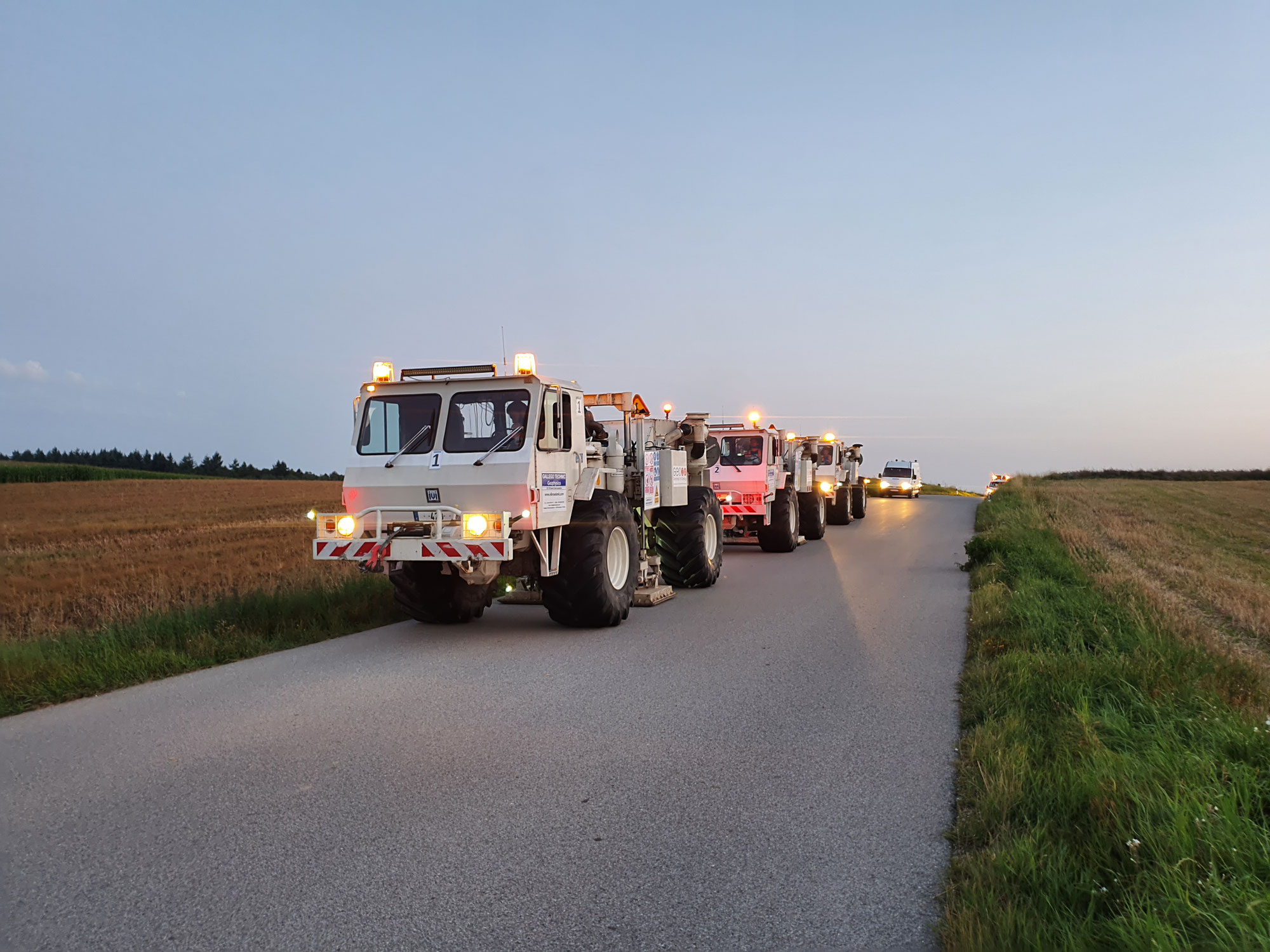
In order to improve our understanding of the subsoil and enhance the safety of the project, vibrating trucks will shortly be travelling some 50 kilometres along four transects running parallel to and perpendicular to the Delémont Valley.Objective and method: Vibrating trucks will travel approximately 50 km to carry out ‘reflection seismics’. Similar to a medical ultrasound scan, this non-invasive method sends waves into the subsoil. The reflected signals are picked up by geophones on the surface

All media releases · 02. September 2023
Following a demonstration in Delémont against the geothermal project in Haute-Sorne, Geo-Energie Suisse AG emphasises that all safety and environmental requirements have been met. This forward-looking project has been legally approved by the municipality, the Canton of Jura and the Federal Supreme Court.
Geothermal energy is a key pillar of Switzerland’s Energy Strategy 2050, as – unlike solar and wind power – it is not dependent on weather conditions, is environmentally friendly and provides a